Analysis based on Business Management (Occupational psychology)
Analysis from 2025-2026 February
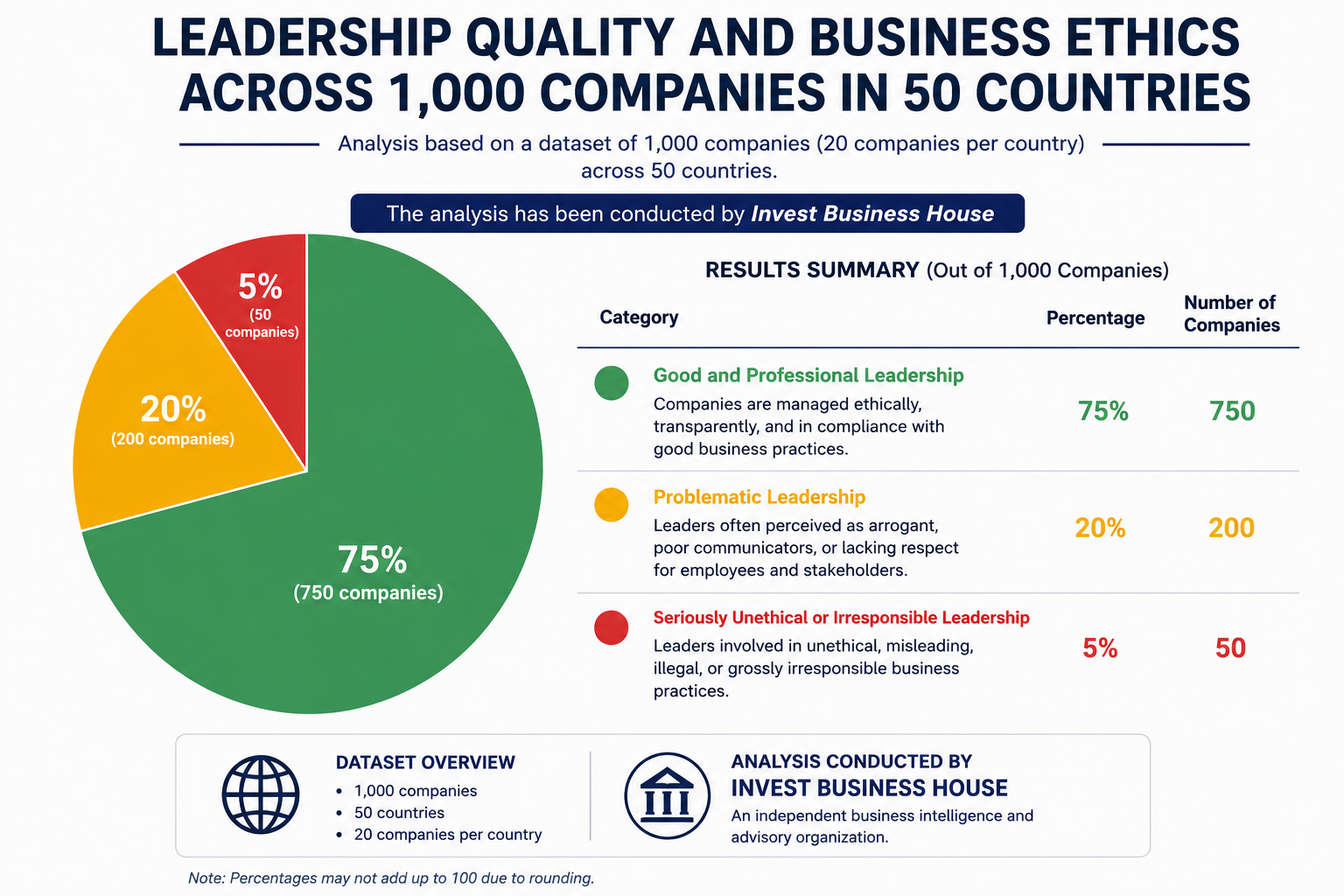
Our analysis will be based on the 25%

From an organizational psychology perspective, one of the most common mistakes founders make is focusing too heavily on the product and not enough on the people—customers, employees, business partners, and their own well-being. A company rarely succeeds solely because of a great idea; it succeeds through strong relationships, effective leadership, and the ability to adapt.
What About Arrogant Customers?
Many businesses encounter customers who come across as arrogant. However, it is important to distinguish between genuine arrogance and customers who are simply demanding, frustrated, or highly self-confident.
Some practical recommendations:
- Do not take it personally. A customer’s behavior is often a reflection of their circumstances, stress levels, or expectations—not a judgment of you as an individual.
- Maintain professionalism. Respond calmly and respectfully, even when a customer appears condescending or dismissive.
- Set clear boundaries. Providing excellent service does not mean employees should tolerate harassment, threats, or disrespectful behavior.
- Listen first. Many customers become more cooperative once they feel heard and understood.
- Focus on solutions. Shift the conversation away from personal attitudes and toward practical issues and constructive solutions.
- Choose your customers wisely. If a customer repeatedly creates unreasonable conflict or costs more than the relationship is worth, it may be in the company’s best interest to end the partnership professionally.
From an organizational psychology perspective, responding to arrogance with arrogance is rarely effective. More often, it creates a power struggle in which both parties lose. Organizations that remain clear, composed, and consistent generally achieve the best outcomes.
Arrogance in a Contractual Context
Arrogance is not, in itself, a legal concept in contract law. However, arrogant behavior can create significant challenges during contract negotiations and throughout the business relationship.
Examples include:
- A customer focuses primarily on price and guarantees during the very first conversation and displays a dismissive or arrogant attitude—this may be a warning sign.
- One party consistently disregards or dismisses the other party’s input.
- One party dominates discussions, interrupts repeatedly, and pushes arguments through without meaningful dialogue.
- Attempts to raise concerns or negotiate specific terms are routinely blocked by the other party.
- A customer or supplier makes unreasonable demands and expects preferential treatment.
- One party attempts to impose contractual terms without engaging in genuine negotiation.
- Communication is condescending, disrespectful, or unnecessarily confrontational.
To protect your interests, it is advisable to:
- Ensure that the contract clearly defines deliverables, responsibilities, deadlines, and payment terms.
- Establish formal procedures for amendments and change requests.
- Document all significant communications in writing and record conversations and meetings.
- Include clear provisions for dispute resolution and termination.
- Focus on objective contractual terms rather than personal disagreements.
- Make a good client contract with your lawyer
- Consider limiting individual consulting invoices to a maximum of €10,000 and splitting larger engagements into multiple invoices where appropriate.
If a customer or business partner displays arrogant behavior during negotiations, it may also indicate potential challenges in the future working relationship. Experienced companies assess not only the contractual terms themselves but also whether the other party appears reasonable, professional, and willing to collaborate in good faith.
Examples
“The manager’s communication style is perceived as dismissive and unconstructive.”
“He displays a highly controlling management approach.”
“He attempted to impose a contract amendment without engaging in genuine negotiation.”
“His conduct appears unreasonable and unnecessarily domineering.”
“His behavior has made constructive cooperation increasingly difficult.”
“Several decisions and interactions have contributed to a significant deterioration of the working relationship.”
“His management approach has created an environment in which open dialogue and collaborative problem-solving have become difficult.”
If the matter proceeds to a legal dispute, it is generally more effective to focus on specific actions, documented communications, and verifiable facts rather than making assumptions about the individual’s personality or mental health. Describing observable conduct instead of speculating about motives or psychological conditions makes the argument more objective, credible, and persuasive.
While certain patterns of behavior may appear highly detrimental to an organization, it is neither necessary nor appropriate to characterize the individual in psychological terms. It is sufficient to demonstrate, through documented examples, that the management approach has undermined trust, impaired cooperation, and negatively affected the organization. In practice, organizations often struggle to sustain effective operations under leadership that consistently discourages collaboration, constructive dialogue, and reasonable decision-making.